Disorderly Women
Sign in to keep track of books you’ve read and want to read.
Throughout most of the eighteenth century and particularly during the religious revivals of the Great Awakening, evangelical women in colonial New England participated vigorously in major church decisions, from electing pastors to disciplining backsliding members. After the Revolutionary War, however, women were excluded from political life, not only in their churches but in the new republic as well.
Read more
Reconstructing the history of this change, Susan Juster shows how a common view of masculinity and femininity shaped both radical religion and revolutionary politics in America.
Juster compares contemporary accounts of Baptist women and men who voice their conversion experiences, theological opinions, and preoccupation with personal conflicts and pastoral controversies. At times, the ardent revivalist message of spiritual individualism appeared to sanction sexual anarchy.
According to one contemporary, the revival attempted "to make all things common, wives as well as goods." The place of women at the center of evangelical life in the mid-eighteenth century, Juster finds, reflected the extent to which evangelical religion itself was perceived as "feminine" - emotional, sensual, and ultimately marginal.
Liked Disorderly Women? Here’s where I’d start.
These suit anyone who liked Disorderly Women. Sign in and mark a few books for picks shaped around your own taste.
-
 Millennial Dreams and Apocalyptic Nightmares Shares evangelicalism, history of doctrines, church history
-
 Health and medicine in the Evangelical tradition Shares evangelicalism, history of doctrines, Christian
-
 More money, more ministry Shares evangelicalism, history of doctrines, Christian
-
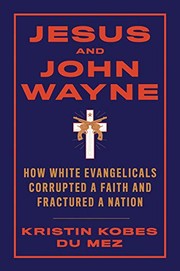 Jesus and John Wayne Shares evangelicalism, church history