The biomechanics of sports techniques
Sign in to keep track of books you’ve read and want to read.
James Hay's textbook examines how athletes perform their skills by applying the principles of mechanics. Rather than treating technique as something learned only by watching and imitating, it analyses the movements involved in activities such as throwing, jumping, running and swimming. The book looks at how forces act on the body, how the body's levers and joints produce motion, and how a movement can be broken into its component phases. The aim is to show coaches, teachers and students how a technique can be described, measured and improved. It is written for people studying sport and kinesiology, and it remains a standard reference for anyone who wants a structured, physics-based view of athletic movement.
Liked The biomechanics of sports techniques? Here’s where I’d start.
These suit anyone who liked The biomechanics of sports techniques. Sign in and mark a few books for picks shaped around your own taste.
-
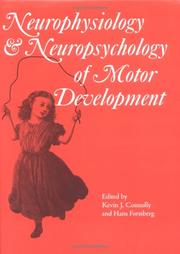 Neurophysiology & neuropsychology of motor development Shares physiological, child development, physiology
-
 Physical education and the study of sport Shares physiological, physiology, sports
-
 Physiological bases of sports performance Shares physiological, physiology, sports
-
 Livewired Shares physiological, physiology
“If you want more of the same (science about sports), start with these.”
-
 The Physics of Baseball
-
 Mathletics: How Gamblers, Managers, and Sports Enthusiasts Use Mathematics in Baseball, Basketball, and Football
-
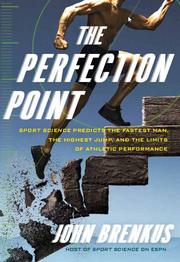 The Perfection Point: Sport Science Predicts the Fastest Man, the Highest Jump, and the Limits of Athletic Performance
- Soccermatics: Mathematical Adventures in the Beautiful Game