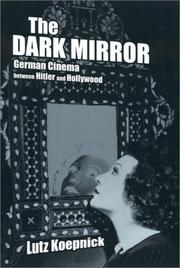
Femmes fatales
Sign in to keep track of books you’ve read and want to read.
This collection of essays looks at the femme fatale, the dangerous and seductive woman who appears again and again in classic Hollywood films, especially the film noir of the 1940s. Mary Ann Doane asks why this figure fascinates audiences and what it reveals about the way cinema constructs femininity. Drawing on psychoanalytic theory, she considers how the camera, the story and the viewer's gaze combine to make women into objects of fear and desire. She also examines the position of the woman spectator, who must watch a film built around a male point of view. Written for students of film and feminist critics, the book brings together close readings of individual movies with wider arguments about gender, looking and representation.
Liked Femmes fatales? Here’s where I’d start.
These suit anyone who liked Femmes fatales. Sign in and mark a few books for picks shaped around your own taste.
-
 Postfeminism And Contemporary Hollywood Cinema Shares movies, performing arts, film
-
 Film theory goes to the movies Shares performing arts, film, movies
-
 Working on Screen: Representations of the Working Class in Canadian Cinema Shares performing arts, film, movies
-
 Reel conversations Shares performing arts, film, movies