The complete problem solver
Sign in to keep track of books you’ve read and want to read.
The Complete Problem Solver sets out a practical way of thinking about problems, drawing on the psychology of how people actually reason when they are stuck. John Hayes lays out a sequence of stages a solver can follow, from recognising that a difficulty exists and understanding what it demands, through planning and carrying out a solution, to judging whether the result works. Examples come from many fields, including science, engineering, business and everyday life, and the approach is meant for students and professionals alike who want to become more effective at tackling unfamiliar challenges.
Liked The complete problem solver? Here’s where I’d start.
These suit anyone who liked The complete problem solver. Sign in and mark a few books for picks shaped around your own taste.
-
 International Handbook of Thinking and Reasoning Shares cognitive psychology, cognitive science, thought and thinking
-
 Flashbulb Memories Shares cognitive psychology, cognitive science, memory
-
 Emotional memory across the adult lifespan Shares cognitive psychology, cognitive science, memory
-
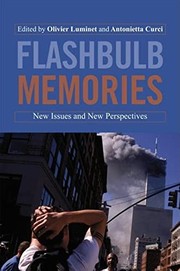 Flashbulb memories Shares cognitive psychology, cognitive science, memory