Violent Democracy
Sign in to keep track of books you’ve read and want to read.
This fascinating and provocative book will change the way you think about democracy. Challenging conventional wisdom, Daniel Ross shows how from its origins and into its globalized future, violence is an integral part of the democratic system. He draws on the examples of global terrorism and security, the wars in Iraq and Afghanistan, the relation of colonial powers to indigenous populations, and the treatment of asylum seekers. His analysis of these controversial issues moves beyond the comfortable stances of both left and right to show that democracy is violent, from its beginning and at its heart.
Liked Violent Democracy? Here’s where I’d start.
These suit anyone who liked Violent Democracy. Sign in and mark a few books for picks shaped around your own taste.
-
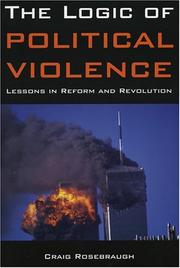 The logic of political violence Shares political violence, democracy, terrorism
-
 The Political Thought of Abdullah Öcalan: Kurdistan, Women's Revolution and Democratic Confederalism Shares political violence, democracy, terrorism
-
 What Went Wrong In Turkey? Shares political violence, democracy, politics
-
 Why men rebel Shares political violence, violence, social science