Cover of The triune brain in evolution

The triune brain in evolution

In this large synthesis, Paul MacLean sets out his influential account of the brain as three layers that developed one on top of another through evolution. He describes an older reptilian core governing basic survival behaviours, a limbic layer associated with emotion and social bonding, and a newer neocortex that supports reasoning and language. MacLean draws comparisons across species and examines how these layers interact, sometimes in conflict, to shape behaviour. The book blends neuroscience, anatomy and evolutionary theory, and it reflects decades of research into how emotion and instinct are rooted in the body.

Audience
adult
Length
epic · 672 pages

Click a tag to see books like this one that share it. Point at it (on a phone, tap it) for less of it instead.

Read it? Sign in to help tag it.

Liked The triune brain in evolution? Here’s where I’d start.

These suit anyone who liked The triune brain in evolution. Sign in and mark a few books for picks shaped around your own taste.

  1. The hot brain Shares biological evolution, neuropsychology, brain
  2. Divergent Mind Shares neuropsychology, brain
  3. Symbiosis in Cell Evolution Shares biological evolution, evolution
  4. Thought in a hostile world Shares biological evolution, brain, evolution

“If you want more of the same (science), start with these.”

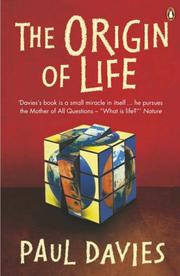
  1. The Origin of Life
  2. Islands of Truth: A Mathematical Mystery Cruise
  3. Eric Sloane's Weather Book
  4. Sex and the Origins of Death

“If it was the biological evolution that hooked you, try one of these.”

  1. Evolved morality
  2. Evolving Mind
  3. The Moral Brain: Essays On The Evolutionary And Neuroscientific Aspects Of Morality
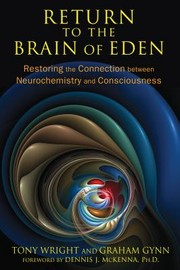
  4. Return to the Brain of Eden

“These start from a similar idea, even if they go somewhere else with it.”

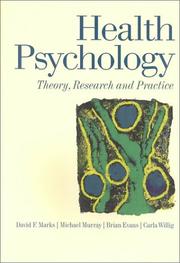
  1. Health psychology
  2. Moral Tribes: Emotion, Reason, and the Gap Between Us and Them
  3. Adam's Navel: A Natural and Cultural History of the Human Form
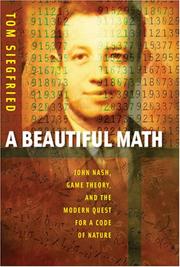
  4. A Beautiful Math: John Nash, Game Theory, and the Modern Quest for a Code of Nature