Cover of Inquiry by design

Inquiry by design

Inquiry by Design explores how the built environment shapes the way people behave and feel, and how designers can learn from that. Zeisel presents a set of research methods, including observation, interviews, mapping and simple experiments, that let architects and planners study the real use of buildings and public spaces. Rather than relying on intuition, the book argues for systematic inquiry into how people actually move, gather and rest in the places made for them. It is written for designers and for researchers who want to bring behavioural evidence into the process of creating houses, hospitals, schools and neighbourhoods. Throughout, the emphasis falls on asking better questions before drawing a plan.

Audience
adult
Length
long · 400 pages

Click a tag to see books like this one that share it. Point at it (on a phone, tap it) for less of it instead.

Read it? Sign in to help tag it.

Liked Inquiry by design? Here’s where I’d start.

These suit anyone who liked Inquiry by design. Sign in and mark a few books for picks shaped around your own taste.

  1. The Mind's Machine Shares human behavior, brain, physiology
  2. Nutritional neuroscience Shares human behavior, brain, physiology
  3. Read People Like a Book Shares human behavior, psychology
  4. Language, Music, and the Brain Shares brain, physiology, psychology

“If you want more of the same (psychology about art), start with these.”

  1. Inner Vision
  2. The Aesthetic Brain: How We Evolved to Desire Beauty and Enjoy Art
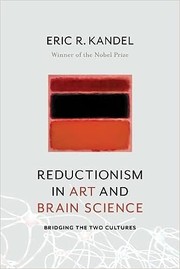
  3. Reductionism in Art and Brain Science: Bridging the Two Cultures
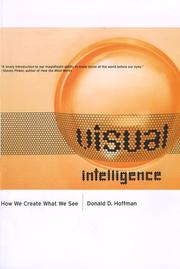
  4. Visual Intelligence: How We Create What We See

“If it was the brain that hooked you, try one of these.”

  1. Rhythm, music, and the brain
  2. Brain, mind, and behavior
  3. Biosignal processing
  4. Rhythms of the brain

“These start from a similar idea, even if they go somewhere else with it.”

  1. Personal space; the behavioral basis of design
  2. Public Spaces, Public Life
  3. The Ig Nobel Prizes 2: An All-New Collection of the World's Unlikeliest Research
  4. Tog on Interface