Small is possible
Sign in to keep track of books you’ve read and want to read.
George McRobie's book takes up the argument E. F. Schumacher made in Small Is Beautiful and asks what it would mean in practice to shape economies and technologies around human scale. Rather than treating growth and large institutions as the only route to progress, it looks at small enterprises, local initiatives and intermediate technologies that can meet real needs with modest resources. The author links these ideas to questions of employment, community and how decisions are made. The result is a guide for readers who want to see how smaller, more accountable forms of economic life might work in the modern world, written in a practical and reflective tone rather than as a technical manual.
Liked Small is possible? Here’s where I’d start.
These suit anyone who liked Small is possible. Sign in and mark a few books for picks shaped around your own taste.
-
 Prefiguring cyberculture Shares technology and civilization, technological innovations, technology
-
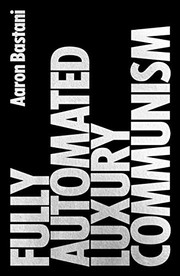 Fully Automated Luxury Communism Shares technology and civilization, economic development, technological innovations
-
 Work Mate Marry Love Shares technology and civilization, technological innovations, technology
-
 The Politics of the Impure Shares technology and civilization, technological innovations, technology