Evolutionary playwork and reflective analytic practice
Sign in to keep track of books you’ve read and want to read.
Play is a crucial component in the development of all children. In this comprehensive and accessible text, Bob Hughes explores the complexities of children's play, its meaning and purpose, and argues that adult-free play is essential for the psychological well-being of the child.The book divides into three main sections. The first examines the fundamentals of evolutionary playwork, from creating the right play environment to issues of safety and participation. Secondly, the book explores the theory underlying playwork. Finally, the book offers new models to help the playworker develop their own professional practice. Throughout the text, the author brings his argument to life with vivid reflections on a lifetime's experience of play and playwork.Evolutionary Playwork and Reflective Analytic Practice is the first book of its kind, and represents essential reading for all playwork students, practitioners and researchers. It also incorporates dedicated material for parents looking to better understand and enhance the development of their children.
Liked Evolutionary playwork and reflective analytic practice? Here’s where I’d start.
These suit anyone who liked Evolutionary playwork and reflective analytic practice. Sign in and mark a few books for picks shaped around your own taste.
-
 Early Recollections: Interpretative Method and Application Shares child development, family relationships, psychotherapy
-
 Social understanding and social lives Shares child development, family relationships, psychotherapy
-
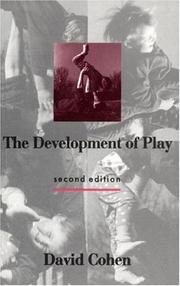 The development of play Shares child development, family relationships, psychotherapy
-
 Being Boys; Being Girls Shares child development, family relationships, psychotherapy