Savagism and civility
Sign in to keep track of books you’ve read and want to read.
Publisher description: When the English settlers arrived in Virginia in 1607 they carried with them a fully developed mythology about native Indian cultures. This mythology was built around the body of English writing about America that began to appear in the 1550s, prior to any significant contact between the English and the native groups, and was founded upon the assumption of the savagism of the Indian and the civility of European culture. Professor Sheehan argues that English commitment to this myth was at the root of the violence that broke out almost immediately between the settlers and the Indians. On the one hand, the Indians were seen as noble savages, free from and innocent of the deficiencies of European society. But as ignoble savages they were seen as immature, even bestial, lacking the civilising and ordering social structure that characterised European culture. Whichever perspective was adopted, this mythology was a product of the white man's world, developed without accurate information about Indian culture. This mythology justified both the exploitation that came to characterise settler-native relations and the inevitability of the violence that culminated in the massacre of 1622.
Liked Savagism and civility? Here’s where I’d start.
These suit anyone who liked Savagism and civility. Sign in and mark a few books for picks shaped around your own taste.
-
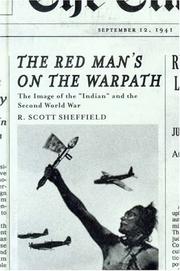 The Red Man's on the Warpath: The Image of the Indian and the Second World War Shares indians, public opinion, Native American
-
 Dancing ghosts Shares indians, Native American, history
-
 Black Hawk, Indian patriot Shares indians, Native American
-
 The portable North American Indian reader Shares indians, Native American