Cover of How to Generate Values in Young Children

How to Generate Values in Young Children

This book is directed to the parents, teachers, and counselors of preschool children.Integrity, Honesty, Individuality, Self-Confidence, and Wisdom: the ingredients for a successful life begin at a very early age. Sue Spayth Riley acknowledges the factors and complexities of modern life that inhibit the development of values in children while stating that we need not surrender to them. Decision-making is the key. Riley demonstrates how the child’s ability to make up his or her own mind plays a major role in ethical and moral education. Through examples, anecdote, and clinical observation, as well as theory, Sue Spayth Riley shows how problems such as blanket-weaning, staying dry, hostile behavior, and too much television can be resolved by the child.Boson Books also offers this book in print. For an author bio, photo, and sample read visit bosonbooks.com.

Audience
adult
Length
short · 94 pages

Click a tag to see books like this one that share it. Point at it (on a phone, tap it) for less of it instead.

Read it? Sign in to help tag it.

Liked How to Generate Values in Young Children? Here’s where I’d start.

These suit anyone who liked How to Generate Values in Young Children. Sign in and mark a few books for picks shaped around your own taste.
  1. Pricing the priceless child Shares social values, child rearing
  2. Raising accountable kids Shares decision making, child rearing
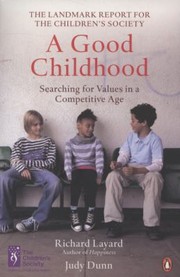
  3. A Good Childhood Searching For Values In A Competitive Age Shares social values, child rearing
  4. The biological origin of human values Shares social values, decision making

“If you want more of the same (education), start with these.”

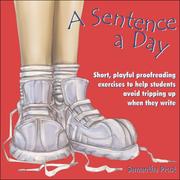
  1. A Sentence a Day
  2. Curriculum Development in Language Teaching
  3. Medical Terminology: An Illustrated Guide
  4. Creating Robust Vocabulary: Frequently Asked Questions and Extended Examples

“If it was the decision making that hooked you, try one of these.”

  1. Implementing public policy
  2. Public administration
  3. Data, models, and decisions
  4. Tu hijo, tu espejo

“These start from a similar idea, even if they go somewhere else with it.”

  1. HMS Seawolf
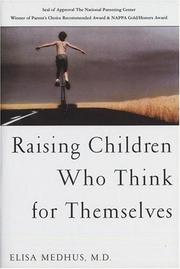
  2. Raising Children Who Think for Themselves
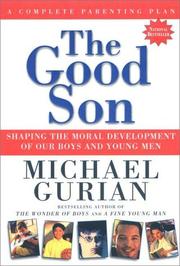
  3. The Good Son: Shaping the Moral Development of Our Boys and Young Men
  4. Neurobiology and the Development of Human Morality: Evolution, Culture, and Wisdom