"Here, Our Culture Is Hard"
Sign in to keep track of books you’ve read and want to read.
"In this book, Laura McClusky examines the lives of several Mopan Maya women in Belize. Using ethnographic narratives and a highly accessible analysis of the lives that have unfolded before her, McClusky explores Mayan women's strategies for enduring, escaping, and avoiding abuse. Factors such as gender, age inequalities, marriage patterns, family structure, educational opportunities, and economic development all play a role in either preventing or contributing to domestic violence in the village.
Read more
McClusky argues that using narrative ethnography, instead of cold statistics or dehumanized theoretical models, helps to keep the focus on people, "rehumanizing" our understanding of violence. This book brings to the social sciences new ways of thinking about, representing, and studying abuse, marriage, death, gender roles, and violence."—BOOK JACKET.
Liked "Here, Our Culture Is Hard"? Here’s where I’d start.
These suit anyone who liked "Here, Our Culture Is Hard". Sign in and mark a few books for picks shaped around your own taste.
-
 Why do I think I am nothing without a man? Shares psychology, women
-
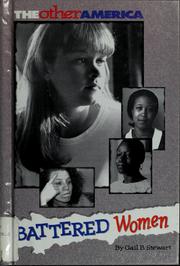 Battered women Shares abused wives, family violence
-
 The battered woman syndrome Shares abused wives, psychology, women
-
 Disabled Women And Domestic Violence Responding To The Experiences Of Survivors Shares abused wives, women, family violence