Principles And Practice Of Expressive Arts Therapy
Sign in to keep track of books you’ve read and want to read.
This book introduces expressive arts therapy, an approach that uses painting, drawing, movement, music, drama and writing to help people heal and grow. Stephen Levine sets out the ideas behind the method, drawing on a philosophy of making and imagination that treats creative expression as a basic human capacity rather than a special talent. He explains how practitioners work with individual clients and groups, how the different art forms can be combined, and why the therapist's own engagement with the creative process matters. Alongside theory, the text considers the practical questions of setting up sessions and judging outcomes. It suits students and clinicians who want a grounded, reflective account of how the arts and therapy meet.
Liked Principles And Practice Of Expressive Arts Therapy? Here’s where I’d start.
These suit anyone who liked Principles And Practice Of Expressive Arts Therapy. Sign in and mark a few books for picks shaped around your own taste.
-
 The Handbook of dramatherapy Shares psychiatry, therapeutic use, medical
-
 Therapeutic Journal Writing A Tool For Personal Development And Professional Practice Shares psychiatry, therapeutic use, medical
-
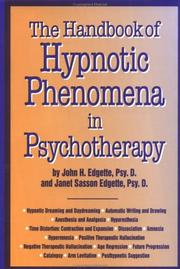 The handbook of hypnotic phenomena in psychotherapy Shares psychiatry, therapeutic use, medical
-
 Electrotherapy Shares therapeutic use