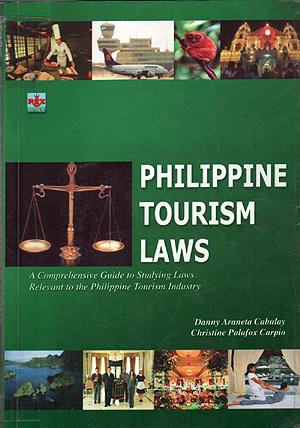
Philippine Tourism Laws:A Comprehensive Guide to Studying Laws Relevant to the Philippine Tourism Industry
Sign in to keep track of books you’ve read and want to read.
The Philippine tourism industry perennially has been a concern by many Filipinos. It is a key source of foreign exchange which impacts heavily on the country's balance of payments and the purchasing power of the peso.
Read more
This textbook is written to provide a serious look at the different laws affecting the Philippine tourism industry with the hope of achieving the following: (1) to serve as a working guide to students, teachers and professionals in their daily conduct; (2) to prevent unnecessary litigation by promoting industrial peace; (3) to serve as a catalyst in improving the lives of the workers and executives in the tourism industry.
The seventeen chapters cover the most comprehensive spectrum of topics of the subject. There are over 100 cases cited or adapted from the Supreme Court decisions to enlighten the readers on applications of the law.
This textbook will come handy in the subjects Philippine Tourism Laws and Human Resources Management.
Liked Philippine Tourism Laws:A Comprehensive Guide to Studying Laws Relevant to the Philippine Tourism Industry? Here’s where I’d start.
These suit anyone who liked Philippine Tourism Laws:A Comprehensive Guide to Studying Laws Relevant to the Philippine Tourism Industry. Sign in and mark a few books for picks shaped around your own taste.