The Ayatollahs' Democracy
Sign in to keep track of books you’ve read and want to read.
*A New York Times best-selling author offers a personal, candid tour of the political and social landscape in Iran.*
Hooman Majd offers a dramatic perspective on a country with global ambitions, an elaborate political culture, and enormous implications for world peace. Drawing on privileged access to the Iranian power elite, Majd argues that despite the violence of the disputed 2009 elections, a group of influential ayatollahs—including a liberal, almost-secular opposition—still believes in the Iranian republic; for them, “green” represents not a revolution but a civil rights movement, pushing the country inexorably toward democracy, albeit a particular brand of “Islamic democracy.” With witty, candid, and stylishly intelligent reporting, Majd, himself the grandson of an esteemed ayatollah, introduces top-level politicians and clerics as well as ordinary people (even Jewish community leaders), all expressing pride for their ancient heritage and fierce independence from the West. In the tradition of Jon Lee Anderson’s [*The Fall of Baghdad*][1], *The Ayatollahs’ Democracy* is a powerful dispatch from a country at a historic turning point. ([W. W. Norton][2])
Liked The Ayatollahs' Democracy? Here’s where I’d start.
These suit anyone who liked The Ayatollahs' Democracy. Sign in and mark a few books for picks shaped around your own taste.


“If you want more of the same (politics about islam), start with these.”
-
 Islam and Revolution I: Writings and Declarations of Imam Khomeini (1941-1980)
-
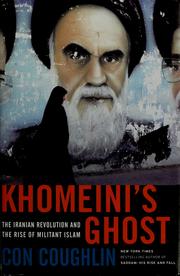 Khomeini's Ghost: The Iranian Revolution and the Rise of Militant Islam
-
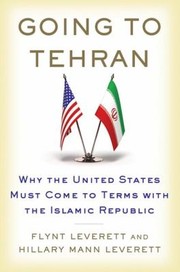 Going to Tehran: Why the United States Must Come to Terms with the Islamic Republic of Iran
-
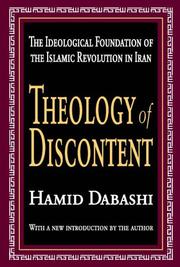 Theology of Discontent: The Ideological Foundation of the Islamic Revolution in Iran