Colony
Sign in to keep track of books you’ve read and want to read.
Until 1832 the small towns of England were ruled by a curious set of institutions. These included the local Church of England and its vestry, and the unelected and self-appointing local government. They also had vigorous campaigns for election to the House of Commons, and public voting, characterised by virulent free speech and the occasional riot. How would these institutions transfer to Britain's colonies? In 1856 the remote colony of South Australia had the secret ballot, votes for all adult men, and religious freedom, and in 1857 self-government by an elected parliament. The basic framework of a modern democracy was suddenly established. How did South Australia become so modern so early? How were British institutions radically transformed by British colonists, and why did the Colonial Office allow it? — Back cover.
Liked Colony? Here’s where I’d start.
These suit anyone who liked Colony. Sign in and mark a few books for picks shaped around your own taste.
-
 A concise history of the commencement, progress and present condition of the American colonies in Liberia Shares colonization, emigration and immigration, politics
 -
 Settler colonialism in the twentieth century Shares colonization, emigration and immigration, history
 -
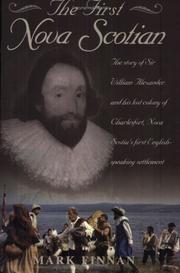 The First Nova Scotian: The Story of Sir William Alexander and His Lost Colony of Charlesfort, Nova Scotia's First English-Speaking Settlement Shares colonization, pioneers, history
 -
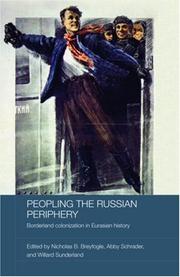 Peopling the Russian Periphery Shares colonization, emigration and immigration, history