Cognitive load theory
Sign in to keep track of books you’ve read and want to read.
Cognitive load theory explains how the limited capacity of working memory shapes learning. Its central idea is that instruction works best when it avoids overloading the mind with unnecessary mental effort, so that learners can build lasting knowledge in long-term memory.
Read more
John Sweller and his colleagues distinguish between the load a task imposes by its inherent difficulty, the load created by poor presentation of material, and the effort that goes into forming new schemas. The book gathers the experimental findings behind effects such as worked examples, split attention and redundancy, and shows how these ideas apply to teaching and to the design of learning materials.
Liked Cognitive load theory? Here’s where I’d start.
These suit anyone who liked Cognitive load theory. Sign in and mark a few books for picks shaped around your own taste.
-
 How to pass advanced aptitude tests Shares cognitive psychology, cognitive science, psychology
-
 The psychology of learning and motivation Shares cognitive psychology, cognitive science, psychology
-
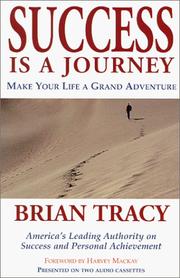 Success Is a Journey Shares cognitive psychology, cognitive science, psychology
-
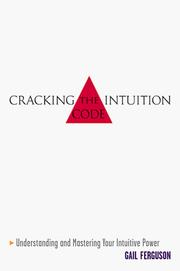 Cracking the intuition code Shares cognitive psychology, cognitive science, psychology