Cover of Understanding Human Ecology

Understanding Human Ecology

"From climate change to world poverty, we are currently facing a vast array of complex challenges which are part of an inter-related web of social and natural systems. Human ecology provides an approach to these problems, a way to understand them holistically and to manage them more effectively. This book offers a coherent conceptual framework for Human Ecology - a clear method for interpreting the many systems we are part of and the problems we face. Blending natural, social and cognitive sciences with dynamical systems theory, the book offers important systems approaches for anyone looking to manage these complex problems and the transition to sustainability"—

Audience
adult
Length
medium · 235 pages

Click a tag to see books like this one that share it. Point at it (on a phone, tap it) for less of it instead.

Read it? Sign in to help tag it.

Liked Understanding Human Ecology? Here’s where I’d start.

These suit anyone who liked Understanding Human Ecology. Sign in and mark a few books for picks shaped around your own taste.
  1. First ecology Shares effect of human beings on, human ecology, ecology
  2. Man's mark on the land Shares effect of human beings on, human ecology, ecology
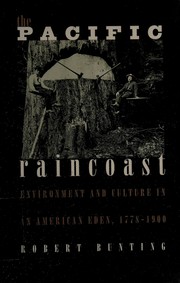
  3. The Pacific Raincoast Shares effect of human beings on, nature, human ecology
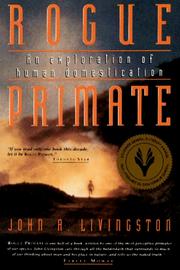
  4. Rogue primate Shares effect of human beings on, nature, human ecology

“If you want more of the same (science about environment), start with these.”

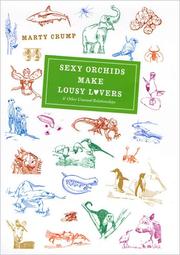
  1. Sexy orchids make lousy lovers & other unusual relationships
  2. A Brief History of Earth
  3. Biogeochemistry of wetlands
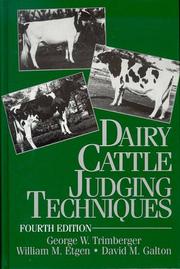
  4. Dairy cattle judging techniques

“If it was the effect of human beings on that hooked you, try one of these.”

  1. Man's responsibility for nature
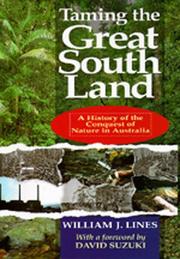
  2. Taming the Great South Land: A History of the Conquest of Nature in Australia
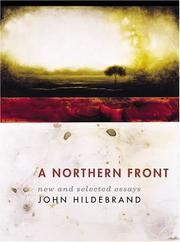
  3. A Northern Front: New and Selected Essays
  4. Resources of the city

“These start from a similar idea, even if they go somewhere else with it.”

  1. The Science of sustainable development
  2. Cities and nature
  3. Deep Ecology for the Twenty-First Century
  4. Estimating animal abundance