State-corporate crime
Sign in to keep track of books you’ve read and want to read.
State-Corporate Crime is an academic study of offences that occur when businesses and government agencies act together, or when public policy allows corporate actors to cause serious harm. Raymond Michalowski and Ronald Kramer set out a framework for understanding these crimes, which differ from ordinary street crime because the power of the state and of large organisations shapes both how they happen and how they are handled. The book draws on case studies to show how such harms are produced, why they are often hard to prosecute, and how they fit into wider debates about power, regulation and accountability. It is written mainly for students and researchers in criminology and sociology, though its arguments also speak to readers interested in corporate responsibility and public policy.
Liked State-corporate crime? Here’s where I’d start.
These suit anyone who liked State-corporate crime. Sign in and mark a few books for picks shaped around your own taste.
-
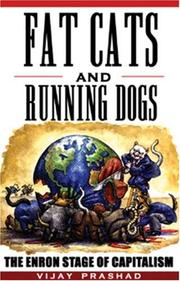 Fat Cats and Running Dogs Shares corrupt practices, politics, corporations
-
 Unaccountable How Elite Power Brokers Corrupt our Finances Freedom and Security Shares corrupt practices, political corruption, corporations
-
 Encyclopedia of white-collar and corporate crime Shares corrupt practices, political corruption, corporations
-
 Corporate Conspiracies Shares corrupt practices, political corruption, corporations