Cultivating Canada
Sign in to keep track of books you’ve read and want to read.
The third in a three-volume series addressing the complex notion of reconciliation in a national landscape. The Aboriginal Healing Foundation brings together disparate voices to address how communities — immigrant, racialized, 'new' Canadians and other minoritized groups relate to the intricacies of reconciliation as a concept. Many of the contributers address questions of land, Aboriginal histories, and different trajectories that have led to the current configuration and conglomeration of peoples in this geographic space. And, a central organizing principle of this collection is artistic practice, of specifically in how embedding creative acts within critical responses helps to create a relevant framework of possibilities as we move inexorably into uncertain futures."—Back cover.
Read more
"This third volume is populated by the perspectives of new Canadians and those outside the traditional settler communities of British and French. Because Canada is a nation of diverse cultures, its people drawn from every region of the world, any discussion of reconciliation must include the perspectives of those who have arrived in more recent days and those who trace their family histories beyond western European colonial states. The reason for this is simple. Aboriginal people have a unique historical relationship with the Crown, and the Crown represents all Canadians. From this it follows that all Canadians are treaty people, bearing the responsibilities of Crown commitments and enjoying the rights and benefits of being Canadian.
From this simple principle we proceed to much complexity. The subjects of historical wrongdoings and redress, healing, and reconciliation have many localized variants, among them the internment of Japanese Canadians during the Second World War and the demolition of Africville in the 1960s, for examples. Those who have arrived in Canada from places of colonization, war, genocide, and devastation will very likely have valuable insights into historical trauma; their perspectives should be considered also."—Introduction.
Liked Cultivating Canada? Here’s where I’d start.
These suit anyone who liked Cultivating Canada. Sign in and mark a few books for picks shaped around your own taste.
-
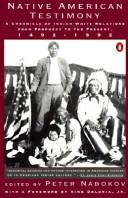 Native American testimony Shares Native American, history
-
 1676, the end of American independence Shares emigration and immigration, Native American
-
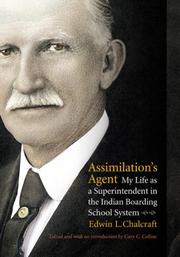 Assimilation's Agent: My Life as a Superintendent in the Indian Boarding School System Shares Native American, education, history
-
 The border between them Shares reconciliation, history