Cover of Where biology meets psychology

Where biology meets psychology

This philosophy of science book examines the uneasy relationship between biology and psychology. Its author asks whether the explanations offered by psychology can be reduced to, or simply replaced by, accounts drawn from the biological sciences, particularly as neuroscience advances. Rather than taking a single side, the discussion looks closely at how scientists build and test theories about the mind and the brain, and how the different levels of explanation might fit together. Readers with an interest in the foundations of cognitive science, the nature of scientific explanation or the limits of reductionism will find a careful, technical treatment of these questions, written for specialists and advanced students alike.

Audience
adult
Length
medium · 391 pages

Click a tag to see books like this one that share it. Point at it (on a phone, tap it) for less of it instead.

Read it? Sign in to help tag it.

Liked Where biology meets psychology? Here’s where I’d start.

These suit anyone who liked Where biology meets psychology. Sign in and mark a few books for picks shaped around your own taste.

  1. Computational Neuroscience Shares neuropsychology, life sciences, biology
  2. Bioinformatics Shares life sciences, biology, nature
  3. International review of cytology Shares life sciences, biology, science
  4. International Review of Cell and Molecular Biology Shares life sciences, biology, science

“If you want more of the same (science about nature), start with these.”

  1. The Seasons Alter: How to Save the Human Future in Six Acts
  2. Wider Than the Sky: The Phenomenal Gift of Consciousness
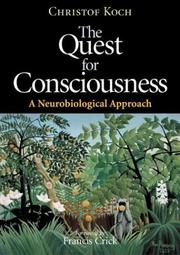
  3. The Quest for Consciousness: A Neurobiological Approach
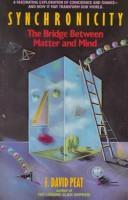
  4. Synchronicity: The Bridge Between Matter and Mind

“If it was the life sciences that hooked you, try one of these.”

  1. Python for bioinformatics
  2. Inquiry into Life
  3. Mushrooms of the Northeastern United States and Eastern Canada
  4. Deep Learning for the Life Sciences

“These start from a similar idea, even if they go somewhere else with it.”

  1. Cognition
  2. Computational philosophy of science
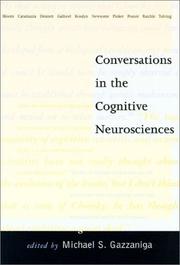
  3. Conversations in the cognitive neurosciences
  4. Homo Prospectus