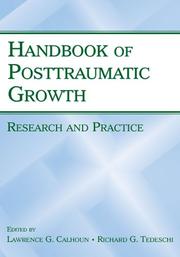
Handbook of divorce and relationship dissolution
Sign in to keep track of books you’ve read and want to read.
This handbook gathers research and scholarly reviews on divorce and the ending of close relationships. Its chapters look at why couples separate, how the process unfolds, and what it means for adults and for the children involved. Contributors draw on work from psychology, sociology and related fields, and they consider both the personal toll and the wider social forces that shape how people leave a partnership. The book is written for researchers, clinicians and students who want an organized overview of the field, bringing together theory, empirical findings and open questions in a single volume. It serves as a reference point for anyone studying how relationships end and how people recover afterward.
Liked Handbook of divorce and relationship dissolution? Here’s where I’d start.
These suit anyone who liked Handbook of divorce and relationship dissolution. Sign in and mark a few books for picks shaped around your own taste.
-
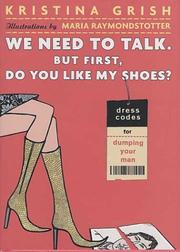 We Need to Talk. But First, Do You Like My Shoes?: Dress Codes for Dumping Your Man Shares separation, relationships
-
 Red Velvet Kisses Shares divorce, relationships
-
 The Frisky 30-Day Breakup Guide: One Month of Manicures, Massages, and Mojitos to Help You Forget About Him Shares separation, relationships
-
 Social penetration Shares relationships