Competing Fundamentalisms
Sign in to keep track of books you’ve read and want to read.
Why do certain groups and individuals seek to do harm in the name of God? While studies often claim to hold the key to this frightening phenomenon, they seldom account for the crucial role that religious conviction plays, not just in radical Islam, but also in the fundamentalist branches of the world's two other largest religions: Christianity and Hinduism. As the first book to examine violent extremism in all three religions together, Competing Fundamentalisms draws on studies in sociology, psychology, culture, and economics—while focusing on the central role of religious ideas—to paint a richer portrait of this potent force in modern life. Clarke argues that the forces of globalization fuel the aggression of these movements to produce the competing feature of religious fundamentalisms, which have more in common with their counterparts across religious lines than they do with the members of their own religions. He proposes ways to deescalate religious violence in the service of peacemaking. Readers will gain important insights into how violent religious fundamentalism works in the world's three largest religions and learn new strategies for promoting peace in the context of contemporary interreligious conflict. - from publisher.
Liked Competing Fundamentalisms? Here’s where I’d start.
These suit anyone who liked Competing Fundamentalisms. Sign in and mark a few books for picks shaped around your own taste.

“If you want more of the same, start with these.”
-
 Language output, communication strategies and communicative tasks
-
 Sin, Forgiveness, and Reconciliation: Christian and Muslim Perspectives
-
 The Bible in Arabic: The Scriptures of the "People of the Book" in the Language of Islam
-
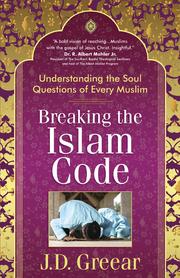 Breaking the Islam Code: Understanding the Soul Questions of Every Muslim