Changing the Subject
Sign in to keep track of books you’ve read and want to read.
"The starting point for this study is the nineteenth-century Caribbean narrative The History of Mary Prince (1831). Simmons puts Prince's narrative in conversation with three twentieth-century novels: Zora Neale Hurston's Their Eyes Were Watching God, Gloria Naylor's Mama Day, and Maryse Condé's I, Tituba, Black Witch of Salem. She incorporates autobiography theory to shift the critical focus from the object of study—slave histories—to the ways people talk about those histories and to the guiding interests of such discourses. In its reframing of women's migration narratives, Simmons's study unsettles theoretical certainties and disturbs the very notion of a cohesive diaspora." — Publisher's description.
Liked Changing the Subject? Here’s where I’d start.
These suit anyone who liked Changing the Subject. Sign in and mark a few books for picks shaped around your own taste.
-
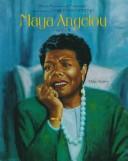 Maya Angelou Shares african american women authors, african american authors, american
-
 Writing the Black Revolutionary Diva: Women's Subjectivity and the Decolonizing Text Shares african american women authors, african american authors, African American
-
 Zora Neale Hurston, writer and storyteller Shares african american women authors, african american authors, american
-
 Maya Angelou's I Know Why the Caged Bird Sings Shares african american women authors, african american authors, american