Cover of Occupational Therapy for Children and Adolescents

Occupational Therapy for Children and Adolescents

Occupational Therapy for Children and Adolescents is a comprehensive textbook for students and practitioners who work with young people whose daily activities are affected by developmental, physical, sensory, or emotional difficulties. It explains the theory behind occupational therapy and how it is applied across the range of childhood and adolescent conditions.

Read more

Chapters cover assessment, intervention planning, and the settings where therapists work, from schools and hospitals to homes and community programs. The book is organized to help readers connect evidence with everyday practice, with a focus on helping children take part in the activities that make up their lives.

Audience
young adult
Length
epic · 904 pages

Click a tag to see books like this one that share it. Point at it (on a phone, tap it) for less of it instead.

Read it? Sign in to help tag it.

Liked Occupational Therapy for Children and Adolescents? Here’s where I’d start.

These suit anyone who liked Occupational Therapy for Children and Adolescents. Sign in and mark a few books for picks shaped around your own taste.
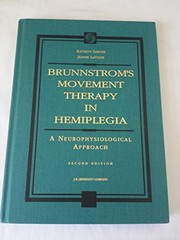

  1. Brunnstrom's movement therapy in hemiplegia Shares rehabilitation
  2. Parkinson's Treatment: 10 Secrets to a Happier Life Shares rehabilitation
  3. A motor relearning programme for stroke Shares rehabilitation
  4. Saving the Devil Shares rehabilitation

“If you want more of the same (health about childhood), start with these.”

  1. Road Trip
  2. He's Back
  3. Trying Out
  4. Too Late

“If it was the adolescent that hooked you, try one of these.”

  1. Treating Youth Who Sexually Abuse
  2. Dyslexia: A Practitioner's Handbook
  3. Support for students exposed to trauma
  4. Helping children cope with disasters and terrorism

“These start from a similar idea, even if they go somewhere else with it.”

  1. Occupational therapy for psychiatric diseases
  2. Umphred's neurological rehabilitation
  3. Behavior disorders of childhood
  4. Direct social work practice