Slavery in American children's literature, 1790-2010
Sign in to keep track of books you’ve read and want to read.
Long seen by writers as a vital political force of the nation, children's literature has been an important means not only of mythologizing a certain racialized past but also, because of its intended audience, of promoting a specific racialized future. Stories about slavery for children have served as primers for racial socialization. This first comprehensive study of slavery in children's literature, Slavery in American Children's Literature, 1790-2010, also historicizes the ways generations of authors have drawn upon antebellum literature in their own re-creations of slavery.
Liked Slavery in American children's literature, 1790-2010? Here’s where I’d start.
These suit anyone who liked Slavery in American children's literature, 1790-2010. Sign in and mark a few books for picks shaped around your own taste.
-
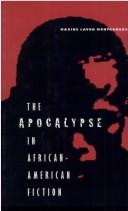 The Apocalypse in African-American Fiction Shares american, african american authors, literary criticism
-
 Encyclopedia of Hip Hop Literature Shares american, african american authors, literary criticism
-
 Signs and Cities: Black Literary Postmodernism Shares american, african american authors, literary criticism
-
 The Psychic Hold of Slavery Shares american, african american authors, slavery