Duress
Sign in to keep track of books you’ve read and want to read.
How do colonial histories matter to the urgencies and conditions of our current world? How have those histories so often been rendered as leftovers, as "legacies" of a dead past rather than as active and violating forces in the world today? With precision and clarity, Ann Laura Stoler argues that recognizing "colonial presence" may have as much to do with how the connections between colonial histories and the present are expected to look as it does with how they are expected to be. In Duress, Stoler considers what methodological renovations might serve to write histories that yield neither to smooth continuities nor to abrupt epochal breaks. Capturing the uneven, recursive qualities of the visions and practices that imperial formations have animated, Stoler works through a set of conceptual and concrete reconsiderations that locate the political effects and practices that imperial projects produce: occluded histories, gradated sovereignties, affective security regimes, "new" racisms, bodily exposures, active debris, and carceral archipelagos of colony and camp that carve out the distribution of inequities and deep fault lines of duress today.
Liked Duress? Here’s where I’d start.
These suit anyone who liked Duress. Sign in and mark a few books for picks shaped around your own taste.
-
 Britain's Declining Empire Shares imperialism, colonies, history
-
 A history of the British conquest of Afghanistan and Western India, 1838-1849 Shares imperialism, colonies, race
-
 Gender, Sexuality and Colonial Modernities (Routledge Research in Gender and History) Shares imperialism, colonies, race
-
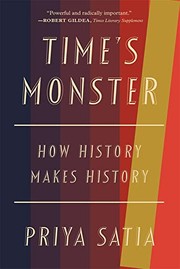 Time's Monster Shares imperialism, colonies, history