Pragmatics of Human Communication: A Study of Interactional Patterns, Pathologies and Paradoxes
Sign in to keep track of books you’ve read and want to read.
Communication is a relationship that is qualitatively different from the "properties" of the individuals involved.
After defining certain general concepts, the authors present basic characteristics of human communication and illustrate their manifestations and potential pathologies. Then the systemic aspects of human interactions that arise from the patterning of specific characteristics of communication are exemplified by the analysis of Albee's Who's Afraid of Virginia Woolf?
Read more
They then extend it to psychotherapeutic double binds and the technique of "prescribing the symptom." In conclusion, they postulate about man's communication with reality in the existential sense.
Liked Pragmatics of Human Communication: A Study of Interactional Patterns, Pathologies and Paradoxes? Here’s where I’d start.
These suit anyone who liked Pragmatics of Human Communication: A Study of Interactional Patterns, Pathologies and Paradoxes. Sign in and mark a few books for picks shaped around your own taste.
-
 The Nonverbal Advantage: Secrets and Science of Body Language at Work Shares psychology, communication, nonfiction
 -
 Uncommon Therapy: The Psychiatric Techniques of Milton H. Erickson, M.D. Shares psychology, nonfiction, communication
 -
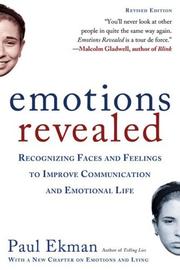 Emotions Revealed: Recognizing Faces and Feelings to Improve Communication and Emotional Life Shares psychology, nonfiction, communication
 -
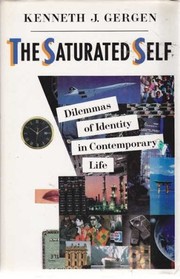 The Saturated Self: Dilemmas Of Identity In Contemporary Life Shares psychology, communication, nonfiction