
Psychology of Intelligence Analysis
Sign in to keep track of books you’ve read and want to read.
With intelligence now getting a front-row seat in governments around the world, this book is especially timely. Intelligence rains in, but without an understanding of the nature of the intelligence, it accumulates in puddles of obscurity. The problems therefore seem to be how to obtain it, how to understand it, and how to sell it to one's bosses. This book deals with how to understand it. Three fundamental points are at the heart of this presentation about the cognitive challenges intelligence analysts face: The mind is poorly wired to deal effectively with both inherent uncertainty (the natural fog surrounding complex, indeterminate intelligence issues) and induced uncertainty (the man-made fog fabricated by denial and deception operations). Even increased awareness of cognitive and other unmotivated biases, such as the tendency to see information confirming an already-held judgement more vividly than one sees disconfirming information, does little by itself to help analysts deal effectively with uncertainty. critical thinking can substantially improve analysis on complex issues on which information is incomplete, ambiguous, and often deliberately distorted. Key examples of such intellectual devices include techniques for structuring information, challenging assumptions, and exploring alternative interpretations. This book was first issued by the CIA.
Liked Psychology of Intelligence Analysis? Here’s where I’d start.
These suit anyone who liked Psychology of Intelligence Analysis. Sign in and mark a few books for picks shaped around your own taste.
-
 Intelligence Analysis: A Target-Centric Approach Shares intelligence, intelligence analysis, nonfiction
 -
Intelligence: All That Matters Shares psychology, nonfiction, intelligence
-
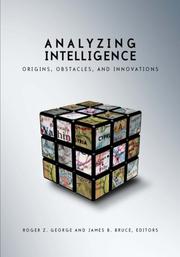 Analyzing Intelligence: Origins, Obstacles, and Innovations Shares intelligence, nonfiction, intelligence studies
 -
 The Intelligence Paradox: Why the Intelligent Choice Isn't Always the Smart One Shares psychology, nonfiction, intelligence
“People who read Psychology of Intelligence Analysis tend to reach for these next.”


“If you want more of the same (psychology about spy), start with these.”

“If it was the self-help that hooked you, try one of these.”


“These start from a similar idea, even if they go somewhere else with it.”
- Your Deceptive Mind: A Scientific Guide to Critical Thinking Skills
-
 Smart Thinking: Three Essential Keys to Solve Problems, Innovate, and Get Things Done
-
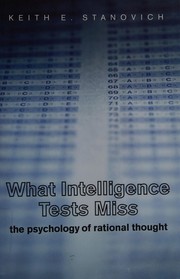 What Intelligence Tests Miss: The Psychology of Rational Thought
-
 Why Don't Students Like School?: A Cognitive Scientist Answers Questions About How the Mind Works and What It Means for the Classroom