How to Read and Why
Sign in to keep track of books you’ve read and want to read.
Information is endlessly available to us; where shall wisdom be found?" is the crucial question with which renowned literary critic Harold Bloom begins this impassioned book on the pleasures and benefits of reading well. For more than forty years, Bloom has transformed college students into lifelong readers with his unrivaled love for literature. Now, at a time when faster and easier electronic media threatens to eclipse the practice of reading, Bloom draws on his experience as critic, teacher, and prolific reader to plumb the great books for their sustaining wisdom.
Read more
Shedding all polemic, Bloom addresses the solitary reader, who, he urges, should read for the purest of all reasons: to discover and augment the self. His ultimate faith in the restorative power of literature resonates on every page of this infinitely rewarding and important book.
Liked How to Read and Why? Here’s where I’d start.
These suit anyone who liked How to Read and Why. Sign in and mark a few books for picks shaped around your own taste.
-
 Anatomy of Criticism Shares literary criticism, nonfiction, criticism
 -
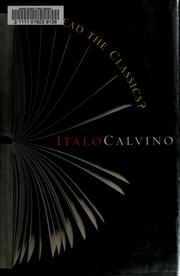
 Classics for Pleasure Shares books about, nonfiction, literary criticism
 -
 The Use and Abuse of Literature Shares literary criticism, books about, nonfiction
 -
 Great Books: My Adventures with Homer, Rousseau, Woolf, and Other Indestructible Writers of the Western World Shares books about, nonfiction, literary criticism