Engineering Mechanics: Dynamics: Volume 2
Sign in to keep track of books you’ve read and want to read.
To build necessary visualization and problem-solving skills, this sixth edition provides comprehensive coverage of drawing free body diagrams - the most important skill needed to solve mechanics problems. It offers a one semester course taught sophomore year.
Liked Engineering Mechanics: Dynamics: Volume 2? Here’s where I’d start.
These suit anyone who liked Engineering Mechanics: Dynamics: Volume 2. Sign in and mark a few books for picks shaped around your own taste.
-
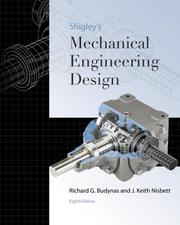 Shigley's Mechanical Engineering Design Shares engineering, mechanical engineering, textbooks
 -
 Materials Science and Engineering: An Introduction Shares engineering, textbooks, mechanical engineering
 -
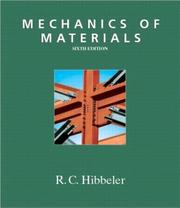
 Mechanics of Materials Shares engineering, textbooks, mechanical engineering
 -
 Fundamentals of Heat and Mass Transfer Shares engineering, mechanical engineering, textbooks