Understanding Philosophy of Science
Sign in to keep track of books you’ve read and want to read.
Few can imagine a world without telephones or televisions; many depend on computers and the Internet as part of daily life. Without scientific theory, these developments would not have been possible.
Read more
In this exceptionally clear and engaging introduction to philosophy of science, James Ladyman explores the philosophical questions that arise when we reflect on the nature of the scientific method and the knowledge it produces. He discusses whether fundamental philosophical questions about knowledge and reality might be answered by science, and considers in detail the debate between realists and antirealists about the extent of scientific knowledge. Along the way, central topics in philosophy of science, such as the demarcation of science from non-science, induction, confirmation and falsification, the relationship between theory and observation and relativism are all addressed. Important and complex current debates over underdetermination, inference to the best explaination and the implications of radical theory change are clarified and clearly explained for those new to the subject.
Liked Understanding Philosophy of Science? Here’s where I’d start.
These suit anyone who liked Understanding Philosophy of Science. Sign in and mark a few books for picks shaped around your own taste.
-
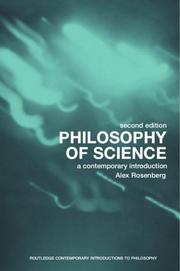 Philosophy of Science: A Contemporary Introduction Shares philosophy, philosophy of science, science
 -
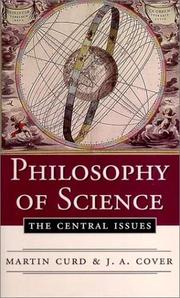 Philosophy of Science: The Central Issues Shares philosophy, philosophy of science, science
 -
 Theory and Reality: An Introduction to the Philosophy of Science Shares philosophy, philosophy of science, science
 -
 Philosophy of Science: A Very Short Introduction Shares philosophy, philosophy of science, science