Cover of Three Dialogues on Knowledge

Three Dialogues on Knowledge

The Socratic, or dialog, form is central to the history of philosophy and has been the discipline's canonical genre ever since. Paul Feyerabend's Three Dialogues on Knowledge resurrects the form to provide an astonishingly flexible and invigorating analysis of epistemological, ethical and metaphysical problems. He uses literary strategies - of irony, voice and distance - to make profoundly philosophical points about the epistemic, existential and political aspects of common sense and scientific knowledge. He writes about ancient and modern relativism; the authority of science; the ignorance of scientists; the nature of being; and true and false enlightenment.

Read more

Throughout Three Dialogues on Knowledge is provocative, controversial and inspiring. It is, unlike most current philosophical writing, written for readers with a keen sense of what matters and why.

Audience
adult
Length
short · 176 pages

Click a tag to see books like this one that share it. Point at it (on a phone, tap it) for less of it instead.

Read it? Sign in to help tag it.

Liked Three Dialogues on Knowledge? Here’s where I’d start.

These suit anyone who liked Three Dialogues on Knowledge. Sign in and mark a few books for picks shaped around your own taste.
  1. Epistemology Shares philosophy, epistemology, nonfiction
  2. An Introduction to the Theory of Knowledge Shares philosophy, epistemology, nonfiction
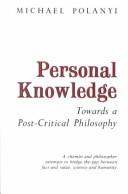
  3. Personal Knowledge Shares philosophy, science, epistemology
  4. An Introduction To Contemporary Epistemology Shares philosophy, epistemology, nonfiction

“If you want more of the same (philosophy), start with these.”

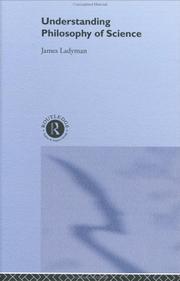
  1. Understanding Philosophy of Science
  2. The Scientific Image
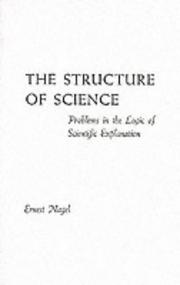
  3. The Structure of Science: Problems in the Logic of Scientific Explanation
  4. The Meaning of the Body: Aesthetics of Human Understanding

“If it was the epistemology that hooked you, try one of these.”

  1. The Problem of Knowledge
  2. Epistemology: A Contemporary Introduction to the Theory of Knowledge
  3. Fear of Knowledge: Against Relativism and Constructivism
  4. Human Knowledge: Its Scope and Value

“These start from a similar idea, even if they go somewhere else with it.”

  1. Epistemic Injustice: Power and the Ethics of Knowing
  2. Six Great Dialogues: Apology/Crito/Phaedo/Phaedrus/Symposium/The Republic
  3. Who's Afraid of Relativism?: Community, Contingency, and Creaturehood
  4. Bullshit and Philosophy