Imperium
Sign in to keep track of books you’ve read and want to read.
Imperium is a long work of political and cultural philosophy, first published under a pseudonym in 1948. Its author argues that liberal thinking and a rationalist, materialist view of history have drained the vitality of Western civilisation. He draws on the cyclical account of cultures advanced by Oswald Spengler, along with ideas from Carl Schmitt and the geopolitics of Klaus Haushofer. Focusing on the position of the United States after the Second World War and on the future of Europe, the book treats culture as a living organism and asks what political unity might mean for the continent. This edition adds extensive notes, a foreword, an index, and a chronology of the author's life.
Liked Imperium? Here’s where I’d start.
These suit anyone who liked Imperium. Sign in and mark a few books for picks shaped around your own taste.
-
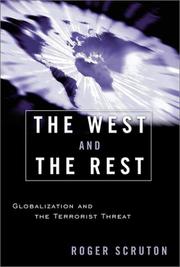 The West and the Rest: Globalization and the Terrorist Threat Shares philosophy, politics, history
-
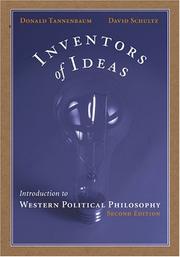 Inventors of ideas Shares philosophy, politics, history
-
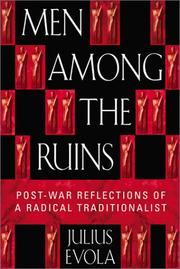 Men Among the Ruins: Post-War Reflections of a Radical Traditionalist Shares philosophy, politics, alternative right
-
 Enlightenment's Wake Shares philosophy, politics, history