The Rwanda Crisis: History of a Genocide
Sign in to keep track of books you’ve read and want to read.
In the spring of 1994 the tiny African nation of Rwanda exploded onto the international media stage, as internal strife reached genocidal proportions. But the horror that unfolded before our eyes had been building steadily for years before it captured the attention of the world.
Read more
In The Rwanda Crisis, journalist and Africa scholar Gerard Prunier provides a historical perspective that Western readers need to understand how and why the brutal massacres of 800,000 Rwandese came to pass. Prunier shows how the events in Rwanda were part of a deadly logic, a plan that served central political and economic interests, rather than a result of ancient tribal hatreds—a notion often invoked by the media to dramatize the fighting.
The Rwanda Crisismakes great strides in dispelling the racist cultural myths surrounding the people of Rwanda, views propogated by European colonialists in the nineteenth century and carved into "history" by Western influence. Prunier demonstrates how the struggle for cultural dominance and subjugation among the Hutu and Tutsi—the central players in the recent massacres—was exploited by racially obsessed Europeans. He shows how Western colonialists helped to construct a Tutsi identity as a superior racial type because of their distinctly "non-Negro" features in order to facilitate greater control over the Rwandese.
Expertly leading readers on a journey through the troubled history of the country and its surroundings, Prunier moves from the pre-colonial Kingdom of Rwanda, though German and Belgian colonial regimes, to the 1973 coup. The book chronicles the developing refugee crisis in Rwanda and neighboring Uganda in the 1970s and 1980s and offers the most comprehensive account available of the manipulations of popular sentiment that led to the genocide and the events that have followed.
In the aftermath of this devastating tragedy, The Rwanda Crisisis the first clear-eyed analysis available to American readers. From the massacres to the subsequent cholera epidemic and emerging refugee crisis, Prunier details the horrifying events of recent years and considers propsects for the future of Rwanda.
Liked The Rwanda Crisis: History of a Genocide? Here’s where I’d start.
These suit anyone who liked The Rwanda Crisis: History of a Genocide. Sign in and mark a few books for picks shaped around your own taste.
-
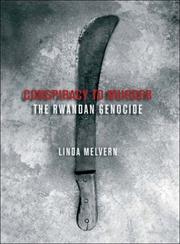 Conspiracy to Murder: The Rwanda Genocide and the International Community Shares Rwanda, Africa, genocide
 -
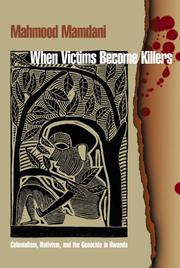 When Victims Become Killers: Colonialism, Nativism, and the Genocide in Rwanda Shares Rwanda, Africa, nonfiction
 -
 Season of Blood: A Rwandan Journey Shares Rwanda, Africa, nonfiction
 -
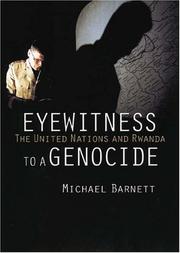 Eyewitness to a Genocide: The United Nations and Rwanda Shares Rwanda, Africa, nonfiction