The Measure of Reality: Quantification in Western Europe, 1250-1600
Sign in to keep track of books you’ve read and want to read.
The Measure of Reality discusses the epochal shift from qualitative to quantitative perception in Western Europe during the late Middle Ages and Renaissance. This shift made modern science, technology, business practice, and bureaucracy possible. It affected not only the obvious - such as measurements of time and space and mathematical technique - but, equally and simultaneously, music and painting, thus proving that the shift was even more profound than once thought.
Liked The Measure of Reality: Quantification in Western Europe, 1250-1600? Here’s where I’d start.
These suit anyone who liked The Measure of Reality: Quantification in Western Europe, 1250-1600. Sign in and mark a few books for picks shaped around your own taste.
-
 The Invention of Science: The Scientific Revolution from 1500 to 1750 Shares science, nonfiction, history of science
 -
 World in the Balance: The Historic Quest for an Absolute System of Measurement Shares science, nonfiction, history
 -
 The Wandering Scholars of the Middle Ages Shares history, nonfiction, european history
 -
 The Story of Western Science: From the Writings of Aristotle to the Big Bang Theory Shares science, nonfiction, history
“People who read The Measure of Reality: Quantification in Western Europe, 1250-1600 tend to reach for these next.”


“If you want more of the same (science about history), start with these.”
“If it was the history that hooked you, try one of these.”
-
 To Explain the World: The Discovery of Modern Science
-
 Defining the Wind: The Beaufort Scale, and How a 19th-Century Admiral Turned Science Into Poetry
-
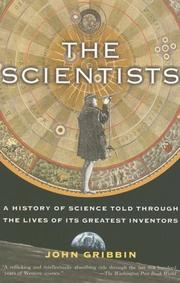 The Scientists: A History of Science Told Through the Lives of Its Greatest Inventors
-
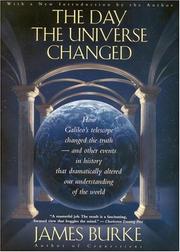 The Day the Universe Changed: How Galileo's Telescope Changed the Truth