Tree of Origin: What Primate Behavior Can Tell Us about Human Social Evolution
Sign in to keep track of books you’ve read and want to read.
How did we become the linguistic, cultured, and hugely successful apes that we are? Our closest relatives—the other mentally complex and socially skilled primates—offer tantalizing clues. In Tree of Originnine of the world's top primate experts read these clues and compose the most extensive picture to date of what the behavior of monkeys and apes can tell us about our own evolution as a species.
Read more
It has been nearly fifteen years since a single volume addressed the issue of human evolution from a primate perspective, and in that time we have witnessed explosive growth in research on the subject. Tree of Origingives us the latest news about bonobos, the "make love not war" apes who behave so dramatically unlike chimpanzees. We learn about the tool traditions and social customs that set each ape community apart. We see how DNA analysis is revolutionizing our understanding of paternity, intergroup migration, and reproductive success. And we confront intriguing discoveries about primate hunting behavior, politics, cognition, diet, and the evolution of language and intelligence that challenge claims of human uniqueness in new and subtle ways.
Tree of Originprovides the clearest glimpse yet of the apelike ancestor who left the forest and began the long journey toward modern humanity.
Liked Tree of Origin: What Primate Behavior Can Tell Us about Human Social Evolution? Here’s where I’d start.
These suit anyone who liked Tree of Origin: What Primate Behavior Can Tell Us about Human Social Evolution. Sign in and mark a few books for picks shaped around your own taste.
-
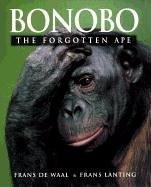 Bonobo: The Forgotten Ape Shares primatology, science, evolution
 -
 Primate Adaptation and Evolution Shares primatology, science, evolution
 -
 The Last Human: A Guide to Twenty-Two Species of Extinct Humans Shares science, evolution, nonfiction
 -
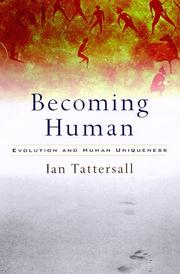 Becoming Human: Evolution and Human Uniqueness Shares evolution, science, nonfiction