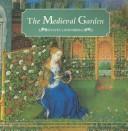
Sweet Herbs and Sundry Flowers: Medieval Gardens and the Gardens of the Cloisters
Sign in to keep track of books you’ve read and want to read.
If you have walked through a wood of wild ginger, forget-me-nots, and unfurling ferns, or wandered in a meadow of strawberries, yarrow, and oxeye daisies, you have had the opportunity to admire medieval plants. Sweet Herbs and Sundry Flowersis an introduction to medieval plants and gardening practices by way of the gardens of The Cloisters. In her work as assistant horticulturist at The Cloisters, Tania Bayard has become aware of the many questions visitors ask about medieval gardening. Tania addresses those questions in this volume, providing a list of the plants in The Cloisters' gardens. In this book, Tania, who left a career in art history to become a horticulturist, shares her knowledge and experience with us.
Read more
The gardens of The Cloisters bloom in a unique museum, a division of the Metropolitan Museum of Art, designed to suggest the layout of a medieval European monastery. Planted in reconstructed Romanesque and Gothic cloisters, the gardens resemble those that provided bodily sustenance and spiritual refreshment for monks of centuries ago.
The delight in reading Sweet Herbs and Sundry Flowersis the realization that the modern gardener's experience is not unlike that of gardeners one thousand years ago. Then, as now, garden plots were selected for adequate light and water drainage, the soil was prepared in the spring, noxious weeds and stones were removed, the ground was tilled and rakes, and cow manure was added for fertilizer. Seeds and young plants were lovingly tended. When the plants were mature, roots, stems, leaves, flowers, and fruits were harvested for food, medicines, and various household uses. Following the fall harvest, the ground was readied for winter, and thoughts of spring were always present. How wonderful it is that we share with the medieval gardener the same labors and joys, getting our hands dirty with soil as did the ninth-century monk, Walahfrid Strabo. [This book was originally published in 1985 and has gone out of print. This edition is a print-on-demand version of the original book.]
Liked Sweet Herbs and Sundry Flowers: Medieval Gardens and the Gardens of the Cloisters? Here’s where I’d start.
These suit anyone who liked Sweet Herbs and Sundry Flowers: Medieval Gardens and the Gardens of the Cloisters. Sign in and mark a few books for picks shaped around your own taste.