Nature's Building Blocks: An A-Z Guide to the Elements
Sign in to keep track of books you’ve read and want to read.
What is the most common element in the universe? Can you name the noble gases? Everything we see around us is made of chemical elements, but most of us know little about them.
Read more
Penned by award-winning science writer John Emsley, Nature's Building Blocks explains the what, why and wherefore of the chemical elements. Arranged alphabetically, from Actinium to Zirconium, it is a complete guide to all 115 of those that are currently known, with more extensive coverage of those elements we encounter in our everyday life. The entry on each element reveals where it came from, what role it may have in the human body, and the foods that contain it. There are also sections on its discovery, its part in human health or illness, the uses and misuses to which it is put, and its environmental role. Readers discover that the Earth consists of around 90 elements, some of which are abundant, such as the silicon and oxygen of rocks and soils, while some are so rare that they make gold seem cheap. Our own bodies contain about 30 elements, some in abundance, some in trace amounts; some vital to our health, and some that are positively harmful. A list of the main scientific data, and outline properties, are given for every element and each section ends with an "Element of Surprise," which highlights some unexpected way in which each element influences our everyday life.
Both a reliable reference source and a high browsable account of the elements, Nature's Building Blocks offers a pleasurable tour of the very essence of our material world.
Liked Nature's Building Blocks: An A-Z Guide to the Elements? Here’s where I’d start.
These suit anyone who liked Nature's Building Blocks: An A-Z Guide to the Elements. Sign in and mark a few books for picks shaped around your own taste.
-
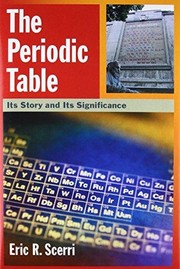 The Periodic Table: Its Story and Its Significance Shares science, chemistry, nonfiction
 -
 The Joy of Chemistry: The Amazing Science of Familiar Things Shares science, chemistry, nonfiction
 -
 Radar, Hula Hoops, and Playful Pigs: 67 Digestible Commentaries on the Fascinating Chemistry of Everyday Life Shares chemistry, science, nonfiction
 -
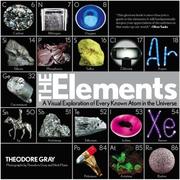 Elements: A Visual Exploration of Every Known Atom in the Universe Shares science, chemistry, nonfiction