Birthing a Slave: Motherhood and Medicine in the Antebellum South
Sign in to keep track of books you’ve read and want to read.
"In the antebellum South, slaveholders' interest in slave women was matched by physicians who wanted to assert their own professional authority over childbirth, and the two began to work together to increase the number of infants born in the slave quarter. In unprecedented ways, doctors tried to manage the health of enslaved women from puberty through the reproductive years, attempting to foster pregnancy, cure infertility, and resolve gynecological problems, including cancer." "Black women, however, proved an unruly force, distrustful of both the slaveholders and their doctors. With their own healing traditions, emphasizing the power of roots and herbs and the critical roles of family and community, enslaved women struggled to take charge of their own health in a system that did not respect their social circumstances, customs, or values. Birthing a Slave depicts the competing approaches to reproductive health that evolved on plantations, as both black women and white men sought to enhance the health of enslaved mothers - in very different ways and for entirely different reasons." "Birthing a Slave is the first book to focus exclusively on the health care of enslaved women, and it argues for the critical role of reproductive medicine in the slave system of antebellum America."—Jacket.
Liked Birthing a Slave: Motherhood and Medicine in the Antebellum South? Here’s where I’d start.
These suit anyone who liked Birthing a Slave: Motherhood and Medicine in the Antebellum South. Sign in and mark a few books for picks shaped around your own taste.
-
 Laboring Women: Reproduction and Gender in New World Slavery Shares history, nonfiction
 -
 The Black Book Shares history, nonfiction, American history
 -
 The Unraveling of America: A History of Liberalism in the 1960s Shares American history, history, nonfiction
 -
 American Reformers, 1815-1860, Revised Edition Shares American history, history, nonfiction
“People who read Birthing a Slave: Motherhood and Medicine in the Antebellum South tend to reach for these next.”
-
 Body and Soul: The Black Panther Party and the Fight Against Medical Discrimination
-
 Post Traumatic Slave Syndrome: America's Legacy of Enduring Injury and Healing
-
 This Nonviolent Stuff'll Get You Killed: How Guns Made the Civil Rights Movement Possible
-
 Scenes of Subjection: Terror, Slavery, and Self-Making in Nineteenth-Century America
“If you want more of the same (history about american history), start with these.”
-
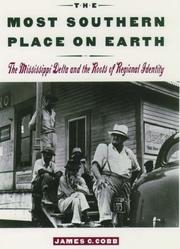 The Most Southern Place on Earth: The Mississippi Delta and the Roots of Regional Identity
-
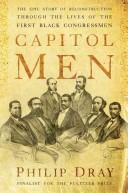 Capitol Men: The Epic Story of Reconstruction Through the Lives of the First Black Congressmen
-
 Exchanging Our Country Marks: The Transformation of African Identities in the Colonial and Antebellum South
-
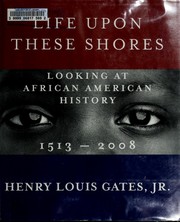 Life Upon These Shores: Looking at African American History, 1513-2008