
No Go the Bogeyman: Scaring, Lulling, and Making Mock
Sign in to keep track of books you’ve read and want to read.
No Go the Bogeymanconsiders the enduring presence and popularity of figures of male terror, establishing their origins in mythology and their current relation to ideas about sexuality and power, youth and age. Songs, stories, images, and films about frightening monsters have always been invented to allay the very terrors that our sleep of reason conjures up. Warner shows how these images and stories, while they may unfold along different lines - scaring, lulling, or making mock - have the strategic simultaneous purpose of both arousing and controlling the underlying fear. In analysis of material long overlooked by cultural critics, historians, and even psychologists, Warner revises our understanding of storytelling in our contemporary culture. She asks us to reconsider the unintended consequences of our age-old, outmoded notions about masculine identity and about racial stereotyping, and warns us of the dangerous, unthinking ways we perpetuate the bogeyman.
Liked No Go the Bogeyman: Scaring, Lulling, and Making Mock? Here’s where I’d start.
These suit anyone who liked No Go the Bogeyman: Scaring, Lulling, and Making Mock. Sign in and mark a few books for picks shaped around your own taste.
-
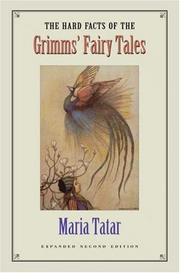 The Hard Facts of the Grimms' Fairy Tales Shares fairy tale, nonfiction, folklore
 -
 Fairy Tales and the Art of Subversion: The Classical Genre for Children and the Process of Civilization Shares fairy tale, nonfiction, folklore
 -
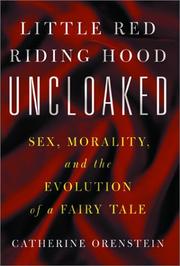 Little Red Riding Hood Uncloaked: Sex, Morality, and the Evolution of a Fairy Tale Shares nonfiction, fairy tale, folklore
 -
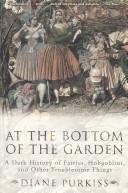 At the Bottom of the Garden: A Dark History of Fairies, Hobgoblins, Nymphs, and Other Troublesome Things Shares nonfiction, fairy tale, mythology
“People who read No Go the Bogeyman: Scaring, Lulling, and Making Mock tend to reach for these next.”
“If you want more of the same (literary criticism), start with these.”

“If it was the fairy tale that hooked you, try one of these.”
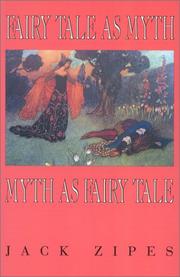
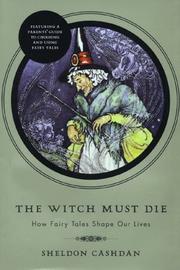
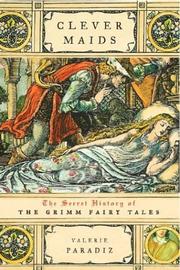
“These start from a similar idea, even if they go somewhere else with it.”
-
 Super Black: American Pop Culture and Black Superheroes
-
 English with an Accent: Language, Ideology and Discrimination in the United States
-
 Fully Alive: A Biblical Vision of Gender That Frees Men and Women to Live Beyond Stereotypes
-
 Systems Thinking for Social Change: A Practical Guide to Solving Complex Problems, Avoiding Unintended Consequences, and Achieving Lasting Results