
Helping Teens Who Cut, First Edition: Understanding and Ending Self-Injury
Sign in to keep track of books you’ve read and want to read.
Finding out that your teenager is cutting can be frightening, and it often raises fears about suicide. This guide addresses how a parent can open a conversation about self-injury without escalating tension or pushing the young person further away. The author, a recognized expert in self-injury and dialectical behavior therapy, explains what cutting involves and what tends to bring it to an end. Through detailed case examples, he shows how intense emotions can drive a young person toward hurting themselves, and why structured therapies such as DBT have helped. Readers will find practical approaches for raising an emotionally sensitive teen, teaching coping and problem-solving abilities, handling moments of crisis, and locating a suitable therapist or treatment program.
Read more
The book is aimed at parents and others who care for teenagers facing this difficult problem.
Liked Helping Teens Who Cut, First Edition: Understanding and Ending Self-Injury? Here’s where I’d start.
These suit anyone who liked Helping Teens Who Cut, First Edition: Understanding and Ending Self-Injury. Sign in and mark a few books for picks shaped around your own taste.
-
 Cutting: Understanding and Overcoming Self-Mutilation Shares psychology, nonfiction, counseling
-
 Beyond Anger: A Guide for Men: How to Free Yourself from the Grip of Anger and Get More Out of Life Shares psychology, nonfiction, therapy
-
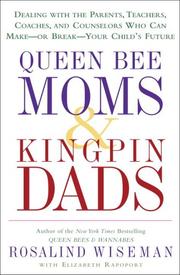 Queen Bee Moms & Kingpin Dads: Dealing with the Parents, Teachers, Coaches, and Counselors Who Can Make--or Break--Your Child's Future Shares nonfiction, psychology, pastoral care
-
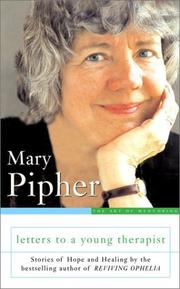 Letters to a Young Therapist Shares psychology, nonfiction, counseling
“People who read Helping Teens Who Cut, First Edition: Understanding and Ending Self-Injury tend to reach for these next.”


“If you want more of the same (psychology about mental health), start with these.”


“If it was the therapy that hooked you, try one of these.”


“These start from a similar idea, even if they go somewhere else with it.”
-
 Helping Teens Who Cut, Second Edition: Using DBT® Skills to End Self-Injury
-
 Mind and Emotions: A Universal Treatment for Emotional Disorders
-
 Got Parts?: An Insider's Guide to Managing Life Successfully with Dissociative Identity Disorder
-
 The Mindfulness Workbook for Addiction: A Guide to Coping with the Grief, Stress and Anger that Trigger Addictive Behaviors