Cover of Marxism and Literary Criticism

Marxism and Literary Criticism

Is Marx relevant any more? Why should we care what he wrote? What difference could it make to our reading of literature? Terry Eagleton, one of the foremost critics of our generation, has some answers in this wonderfully clear and readable analysis. Sharp and concise, it is, without doubt, the most important work on literary criticism that has emerged out of the tradition of Marxist philosophy and social theory since the nineteenth century.

Audience
adult
Length
short · 84 pages

Click a tag to see books like this one that share it. Point at it (on a phone, tap it) for less of it instead.

Read it? Sign in to help tag it.

Liked Marxism and Literary Criticism? Here’s where I’d start.

These suit anyone who liked Marxism and Literary Criticism. Sign in and mark a few books for picks shaped around your own taste.
  1. Marxism and Literature Shares theory, marxism, literary theory
  2. The Theory of the Novel Shares literary theory, theory, philosophy
  3. The World, the Text, and the Critic Shares theory, literary theory, criticism
  4. The Political Unconscious Shares theory, philosophy, marxism

“People who read Marxism and Literary Criticism tend to reach for these next.”

  1. For Marx
  2. Graphs, Maps, Trees: Abstract Models for a Literary History
  3. Literature and Revolution
  4. Aesthetics and Politics

“If you want more of the same (literary criticism about art), start with these.”

  1. Critical Theory Since Plato
  2. Disagreement: Politics and Philosophy
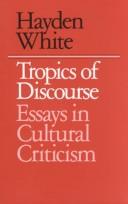
  3. Tropics of Discourse: Essays in Cultural Criticism
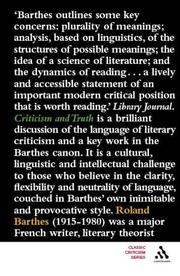
  4. Criticism and Truth

“If it was the theory that hooked you, try one of these.”

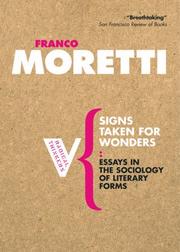
  1. Signs Taken For Wonders: Essays on the Sociology of Literary Forms
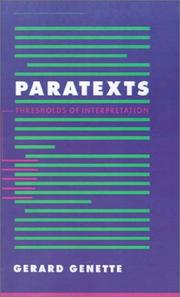
  2. Paratexts: Thresholds of Interpretation
  3. S/Z: An Essay
  4. Critical Terms for Literary Study

“These start from a similar idea, even if they go somewhere else with it.”

  1. Attitudes Toward History
  2. Poetry and the Age
  3. The Rise of the Novel
  4. The Hidden Adult: Defining Children's Literature