
Guerrillas and Generals: The Dirty War in Argentina
Sign in to keep track of books you’ve read and want to read.
In this comprehensive, balanced examination of Argentina's Dirty War, Lewis analyzes the causes, describes the ideologies that motivated both sides, and explores the consequences of all-or-nothing politics. The military and guerrillas may seem marginal today, but Lewis questions whether the Dirty War is really over.
Read more
Lewis traces the Dirty War's origins back to military interventions in the 1930s and 1940s, and the rise of General Juan Peron's populist regime, which resulted in the polarization of Argentine society. Peron's overthrow by the military in 1955 only heightened social conflict by producing a resistance movement out of which several guerrilla organizations would soon emerge. The ideologies, terrorist tactics, and internal dynamics of those underground groups are examined in detail, as well as their links to other movements in Argentina and abroad. The guerrillas reached the height of their influence when the military withdrew from power in 1973 and turned over the government to Peron's puppet president, Hector Campora. They quickly found themselves in opposition again after Peron returned from exile, and as Peronism dissolved into factions after Peron's death, the military prepared to take power again, inspired by a new National Security Doctrine. The origins of this ideology in U.S. Cold War doctrine and in French revolutionary war doctrine are fully explored because the Argentine military's Dirty War strategy and tactics grew directly out of these ideas. The arrests, the treatment of prisoners, and the mindset of the interrogators are treated in detail. Special attention is given to the anti-guerrilla war in Tucuman's jungles, the strange history of David Graiver (the guerrillas' banker) and the Timerman case. In the concluding section of the book, Lewis describes the intrigues that undermined the military regime, its retreat from power, and the human rights trials that were held under the new democratic government. Those trials eventually were stopped by military revolts. Presidential pardons followed and have left Argentina divided once more. This is an important survey for scholars and students of Latin American politics, contemporary history, and civil-military relations.
Liked Guerrillas and Generals: The Dirty War in Argentina? Here’s where I’d start.
These suit anyone who liked Guerrillas and Generals: The Dirty War in Argentina. Sign in and mark a few books for picks shaped around your own taste.
-
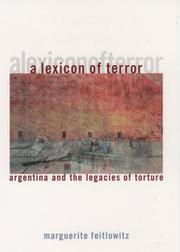 A Lexicon of Terror: Argentina and the Legacies of Torture Shares Argentina, Latin America, history
-
 The Perón Novel Shares Argentina, Latin America, spanish
-
 Sin Patrón: Stories from Argentina's Worker-Run Factories Shares Argentina, history, nonfiction
-
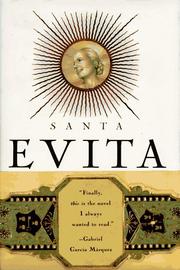 Santa Evita Shares Argentina, Latin America, spanish
“If you want more of the same (history), start with these.”



“If it was the Argentina that hooked you, try one of these.”


“These start from a similar idea, even if they go somewhere else with it.”
- American Guerrilla: The Forgotten Heroics of Russell W. Volckmann-the Man Who Escaped from Bataan, Raised a Filipino Army against the Japanese, and became the True "Father" of Army Special Forces
-
 The Global Cold War: Third World Interventions and the Making of Our Times
-
 Feminism and the legacy of revolution
- We Created Chavez: A People's History of the Venezuelan Revolution