Origins of the Specious: Myths and Misconceptions of the English Language
Sign in to keep track of books you’ve read and want to read.
Do you cringe when a talking head pronounces "niche" as NITCH? Do you get bent out of shape when your teenager begins a sentence with "and"? Do you think British spellings are more "civilised" than the American versions? If you answered yes to any of those questions, you're myth-informed.
Read more
In Origins of the Specious, word mavens Patricia T. O'Connor and Stewart Kellerman reveal why some of grammar's best-known "rules" aren't—and never were—rules at all. This playfully witty, rigorously researched book sets the record straight about bogus word origins, politically correct fictions, phony francais, fake acronyms, and more. Here are some shockers: "They" was once commonly used for both singular and plural, much the way "you" is today. And an eighteenth-century female grammarian, of all people, is largely responsible for the all-purpose "he". From the Queen's English to street slang, this eye-opening romp will be the toast of grammarphiles and the salvation of grammarphobes. Take our word for it.
Liked Origins of the Specious: Myths and Misconceptions of the English Language? Here’s where I’d start.
These suit anyone who liked Origins of the Specious: Myths and Misconceptions of the English Language. Sign in and mark a few books for picks shaped around your own taste.
-
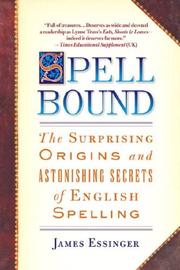 Spellbound: The Surprising Origins and Astonishing Secrets of English Spelling Shares language, nonfiction, linguistics
-
 Euphemania: Our Love Affair with Euphemisms Shares language, nonfiction, linguistics
-
 Alphabet Juice: The Energies, Gists, and Spirits of Letters, Words, and Combinations Thereof; Their Roots, Bones, Innards, Piths, Pips, and Secret Parts, Tinctures, Tonics, and Essences; With Examples of Their Usage Foul and Savory Shares language, nonfiction, linguistics
-
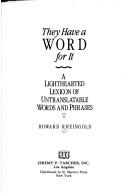 They Have a Word for It: A Lighthearted Lexicon of Untranslatable Words & Phrases Shares language, nonfiction, linguistics