Cover: Google Books
The Story Book: A Writer's Guide to Story Development, Principles, Problem-solving and Marketing
Sign in to keep track of books you’ve read and want to read.
David Baboulene, a screenwriter, story consultant and scholar of narrative theory, sets out to explain why some stories grip audiences and others fall flat. The book focuses on subtext, which he treats as a fresh way to think about how characters reveal what they want without saying it outright. Drawing on his work in film, television and publishing, he walks writers through story development, common problems and how to fix them, and the practical side of getting a finished manuscript in front of buyers. Each section pairs principles with examples so that writers can test the ideas against their own drafts. It suits anyone who wants to turn an idea into a story that sells, whether they are writing novels, scripts or plays.
Liked The Story Book: A Writer's Guide to Story Development, Principles, Problem-solving and Marketing? Here’s where I’d start.
These suit anyone who liked The Story Book: A Writer's Guide to Story Development, Principles, Problem-solving and Marketing. Sign in and mark a few books for picks shaped around your own taste.
-
Revenge of the Penmonkey Shares writing, on writing, nonfiction
-
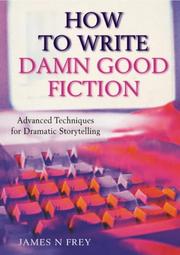 The Key: How to Write Damn Good Fiction Using the Power of Myth Shares writing, on writing, nonfiction
-
Screenwriting Tricks For Authors Shares writing, on writing, nonfiction
-
 The Complete Handbook Of Novel Writing: Everything You Need To Know About Creating & Selling Your Work Shares writing, on writing, nonfiction