Objects on Rails

Objects on Rails takes a practical look at object-oriented design in Ruby on Rails applications. Its author argues that many Rails projects become hard to maintain because their models and controllers take on too much, and he shows how to pull that logic out into plain Ruby objects with clear responsibilities. The book works through the reasoning behind these choices, so developers can judge when a design is sound and when it is drifting toward tangled code. It is aimed at working programmers who already know Rails and want software that stays manageable as it grows.

Audience
adult
Length
short · 197 pages

Click a tag to see books like this one that share it. Point at it (on a phone, tap it) for less of it instead.

Read it? Sign in to help tag it.

Liked Objects on Rails? Here’s where I’d start.

These suit anyone who liked Objects on Rails. Sign in and mark a few books for picks shaped around your own taste.

  1. Rails Antipatterns: Best Practice Ruby on Rails Refactoring Shares ruby, programming, rails
  2. Metaprogramming Ruby Shares ruby, programming, tech
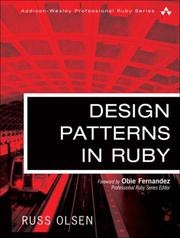
  3. Design Patterns in Ruby Shares ruby, programming, tech
  4. Service-Oriented Design with Ruby and Rails Shares ruby, programming, rails

“People who read Objects on Rails tend to reach for these next.”

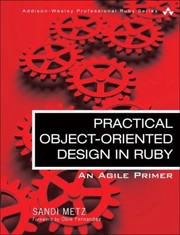
  1. Practical Object Oriented Design in Ruby
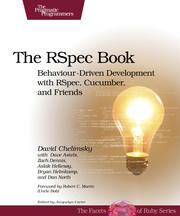
  2. The RSpec Book
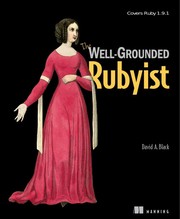
  3. The Well-Grounded Rubyist
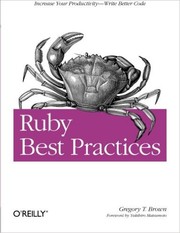
  4. Ruby Best Practices

“If you want more of the same (science about technology), start with these.”

  1. Your Code As a Crime Scene: Use Forensic Techniques to Arrest Defects, Bottlenecks, and Bad Design in Your Programs
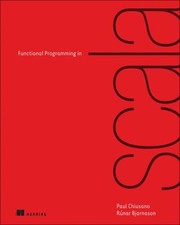
  2. Functional Programming in Scala
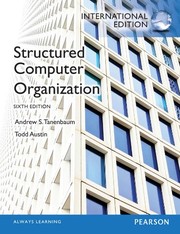
  3. Structured Computer Organization
  4. Java: The Complete Reference

“If it was the ruby that hooked you, try one of these.”

  1. Ruby Science
  2. Crafting Rails 4 Applications
  3. The Ruby Way: Solutions and Techniques in Ruby Programming (Addison-Wesley Professional Ruby Series)
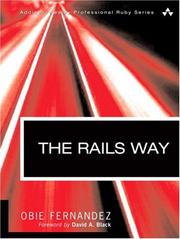
  4. The Rails Way

“These start from a similar idea, even if they go somewhere else with it.”

  1. Fundamentals of Object-Oriented Design in UML
  2. Python 3 Object Oriented Programming
  3. Domain-Driven Design: Tackling Complexity in the Heart of Software
  4. Learning Rails