Balance: The Economics of Great Powers from Ancient Rome to Modern America
Sign in to keep track of books you’ve read and want to read.
“Hubbard and Kane synthesize economics, politics, and psychology to develop a new audacious theory of why countries decline. Compulsory reading for anyone who wants to understand the major issues that America now faces” (James Robinson, coauthor of Why Nations Fail).
Read more
From the Ming Dynasty to Ottoman Turkey to imperial Spain, the Great Powers of the world emerged as the supreme economic, political, and military forces of their time—only to collapse into rubble and memory. What is at the root of their demise, and how can the United States stop it from happening again?
A quarter century after Paul Kennedy’s The Rise and Fall of the Great Powers, Glenn Hubbard and Tim Kane present a bold, sweeping account of why powerful nations and civilizations break down under the heavy burden of economic imbalance. Introducing a profound new measure of economic power, Balancetraces the triumphs and mistakes of imperial Britain, the paradox of superstate California, the long collapse of Rome, and the limits of the Japanese model of growth. Most importantly, Hubbard and Kane compare the twenty-first-century United States to the empires of old and challenge Americans to address the real problems of our country’s fiscal imbalance. If there is not a new economics and politics of balance, they portend that inevitable demise is ahead.
This is more than another analysis of our nation’s economy; it is a groundbreaking look at the patterns of the past and a “thought-provoking analysis that has compelling relevance for America’s future” (Nobel Peace Prize–winner Henry A. Kissinger).
Liked Balance: The Economics of Great Powers from Ancient Rome to Modern America? Here’s where I’d start.
These suit anyone who liked Balance: The Economics of Great Powers from Ancient Rome to Modern America. Sign in and mark a few books for picks shaped around your own taste.
-
 The Battle of Bretton Woods: John Maynard Keynes, Harry Dexter White, and the Making of a New World Order Shares economics, hist, history
 -
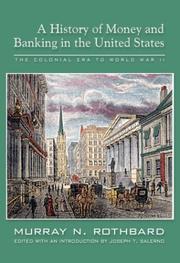 A History of Money and Banking in the United States: The Colonial Era to World War II Shares economics, hist, history
 -
 Land of Promise: An Economic History of the United States Shares economics, history
 -
 America's Great Depression Shares economics, hist, history