Cover of Give a man a fish

Give a man a fish

Give a Man a Fish looks at how ideas about poverty and aid have changed in recent decades. James Ferguson, an anthropologist, draws on fieldwork in Lesotho, a small country surrounded by South Africa, to examine development programmes and the cash transfers that have replaced older welfare ideas. He asks what it means when governments stop trying to fix the economy for everyone and instead distribute resources to those left behind. Drawing on economics, politics and social theory, he considers how the language of markets and citizenship shapes who receives support and on what terms. The result is a sharp, accessible argument about the politics of distribution in the modern world.

Audience
adult
Length
medium · 280 pages

Click a tag to see books like this one that share it. Point at it (on a phone, tap it) for less of it instead.

Read it? Sign in to help tag it.

Liked Give a man a fish? Here’s where I’d start.

These suit anyone who liked Give a man a fish. Sign in and mark a few books for picks shaped around your own taste.

  1. Storming the gates Shares liberalism, social policy, economic policy
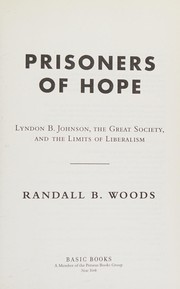
  2. Prisoners of hope Shares liberalism, social policy, economic policy
  3. Reason to Believe Shares liberalism, social policy, economic policy
  4. What Should the Left Propose? Shares liberalism, social policy, economic policy

“If you want more of the same (economics), start with these.”

  1. Global problems and the culture of capitalism
  2. Economic development in the Third World
  3. Poverty from the wealth of nations
  4. How Will Capitalism End?

“If it was the liberalism that hooked you, try one of these.”

  1. Left For Dead: The Life, Death, And Possible Resurrection Of Progressive Politics In America
  2. They only look dead
  3. Equality and the British Left
  4. America Unequal

“These start from a similar idea, even if they go somewhere else with it.”

  1. Handbook of public economics
  2. Free Market Fantasies: Capitalism in the Real World
  3. The conscience of a liberal
  4. Iran, the illusion of power