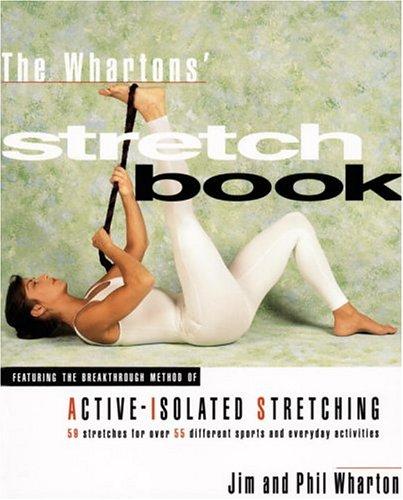
The Whartons' Stretch Book
Sign in to keep track of books you’ve read and want to read.
Whether you're a serious competitor or weekend warrior, you know that proper stretching before and after your workout can improve your performance, increase your flexibility, help prevent injury, and make you feel better. But did you know that the traditional way of stretching — lock your knees, bounce, hold, hurt, hold longer — actually makes muscles tighter and moreprone to injury?
Read more
There's a new and better way to stretch: Active-Isolated Stretching. And with The Whartons' Stretch Book, the method used successfully by scores of professional, amateur, and Olympic athletes is now available to everyone.
This groundbreaking technique, developed by researchers, coaches, and trainers, and pioneered by Jim and Phil Wharton, is your new exercise prescription. The routine is simple: First, you prepare to stretch one isolated muscle at a time. Then you actively contract the muscle opposite the isolated muscle, which will then relax in preparation for its stretch. You stretch it gently and quickly — for no more than two seconds — and release it before it goes into its protective contraction. Then you repeat. Simple, but the results are outstanding. The Whartons' Stretch Bookexplains it all.
Part Icontains the Active-Isolated Stretch Catalog, with fully illustrated, easy-to-follow stretches for each of five body zones, from neck and shoulders to trunk, arms, and legs — over fifty stretches in all. Part IIoffers specific stretching prescriptions for over fifty-five sports and activities, from running, tennis, track, and aerobics to skiing, skating, and swimming. You'll also find advice on stretching for daily activities such as driving, working at a desk, lifting, and keyboarding. Part IIIdiscusses stretching for life, with specific recommendations for expectant mothers and older athletes. It also includes specific stretching exercises that could help you avoid unnecessary surgery.
Give Active-Isolated Stretching a try for three weeks. You'll never go back to your old stretching routines again.
Liked The Whartons' Stretch Book? Here’s where I’d start.
These suit anyone who liked The Whartons' Stretch Book. Sign in and mark a few books for picks shaped around your own taste.
-
 Running and Walking for Women Over 40: The Road to Sanity and Vanity Shares running, fitness, exercise
 -
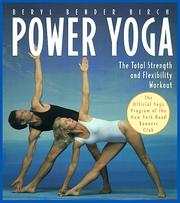 Power Yoga: The Total Strength and Flexibility Workout Shares yoga, health, fitness
 -
 Trail Guide to the Body: How to locate the body's muscles, bones and more Shares health, yoga, nonfiction
 -
 Running Well: Run Smarter, Run Faster, Avoid Injury... And Enjoy It More! Shares running, fitness, exercise
“People who read The Whartons' Stretch Book tend to reach for these next.”
-
 Travell Simons' Myofascial Pain and Dysfunction: The Trigger Point Manual: Two Volume Set: Second Edition/Volume 1 and First Edition/Volume 2
-
 Understanding Thermodynamics
-
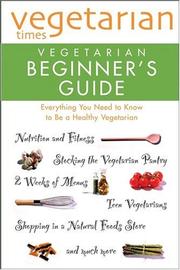 Vegetarian Times Vegetarian Beginner's Guide
-
 The Sustainable Vegetable Garden: A Backyard Guide to Healthy Soil and Higher Yields